PSYCHOLOGY GLOSSARY
Hello, my name is Audrey, and I am a student at Montmorency College. I am in the Social Science program. I have been studying two semesters in this program, and now it is my third semester. This program is preparing me to be a psychologist. It is important to understand some words to find out more about a specific job. With my glossary, you will learn new words, their definitions, their translations in French and how to pronounce these words. To help, you, there are some examples as well as images with their description. With my glossary, you will learn words that are related to the behaviors of the human, personality disorder and even more. I will ensure the quality of my writing by using internet dictionaries, VirtualWritingTutor.com and the online corrector. For my glossary, I used the website https://www.vocabulary.com/lists/, Lextutor and google.
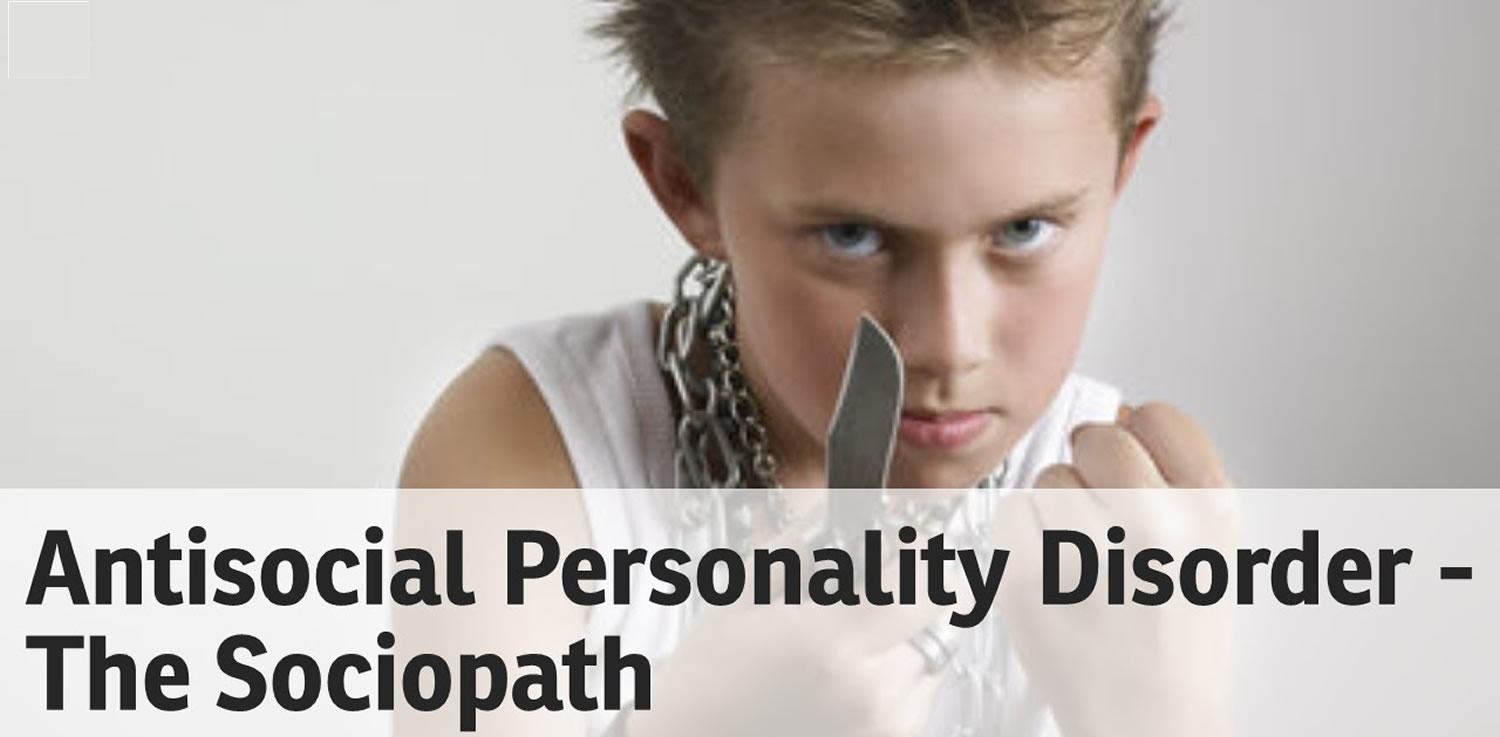
- antisocial personality disorder
- noun
- Antisocial personality disorder is a particularly challenging type of personality disorder characterized by impulsive, irresponsible and often criminal behaviour. Someone with antisocial personality disorder will typically be manipulative, deceitful and reckless, and will not care for other people's feelings.
- Example: Many criminals have antisocial personality disorder but do not reach the amoral or immoral depths of clinical psychopathy.
- en: Trouble de la personnalité antisociale
- applied psychology
- noun
- Applied psychology is the study and ability to solve problems within human behavior such as health issues, workplace issues, or education.
- Example: A boy went to see his psychologist yesterday to talk about his health issues.
- en: Psychologie appliquée

- behavioristic psychology
- noun
- The theory that human and animal behavior can be explained in terms of conditioning, without appeal to thoughts or feelings, and that psychological disorders are best treated by altering behavior patterns.
- Example: We are not curious about the great basis of fact which dynamic and behaviorist psychology has gathered to illustrate the instinct stimulus to human activity.
- en: Psychologie béhavoriste
:max_bytes(150000):strip_icc():format(webp)/learning-study-guide-2795698_FINAL-5bec544ac9e77c005185519d.png)
- child psychology
- noun
- The branch of psychology that studies the social and mental development of children.
- Example: Finally, a good friend with many degrees in child psychology told us to stop talking about death and remind her of her agency over her feelings: What do you do when you are happy?
- en: Psychologie des enfants

- clinical psychology
- noun
- The branch of psychology concerned with the assessment and treatment of mental illness and disability.
- Example: A psychologist help people who have mental illness.
- en: Psychologie clinique
- cognition
- noun
- The mental action or process of acquiring knowledge and understanding through thought, experience, and the senses.
- Example: The psychologist's try to understand the experience from her patient.
- en: Cognition
:max_bytes(150000):strip_icc():format(webp)/what-is-cognition-2794982_final1-fc2c7c2b8e77444f84ca5726400f1a3d.png)
- constancy
- noun
- The quality of being faithful and dependable.
- Example: A teenager goes constantly see his psychologist.
- en: Constance

- credibility
- noun
- The quality of being trusted and believed in.
- Example: You need somebody who clearly has scientific credibility and really understands the science.
- en: Crédibilité

- deception
- noun
- The action of deceiving someone.
- Example: This usually results in types of behaviour that can be classified as cues of deception.
- en: Tromperie
- developmental psychology
- noun
- The branch of psychology that studies the social and mental development of children.
- Example: Virtually everybody in developmental psychology was a firm believer in "critical periods" of learning.
- en: Psychologie du développement

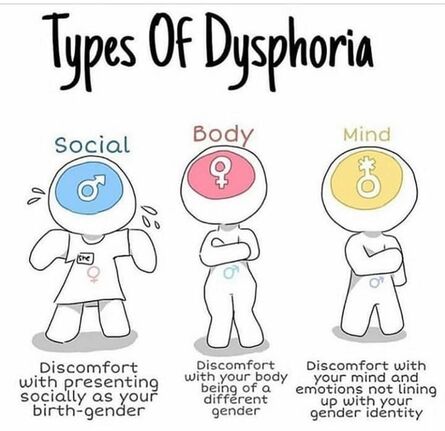
- dysphoria
- noun
- A state of unease or generalized dissatisfaction with life.
- Example: Then, I started reading these stories from these poor girls with body dysphoria and all sorts of physical problems, and I changed my mind.
- en: Dysphorie
- experimental psychology
- noun
- The branch of psychology that uses experimental methods to study psychological issues.
- Example: Perform a study to look at whether sleep deprivation impairs performance on a driving test.
- en: Psychologie expérimentale
:max_bytes(150000):strip_icc():format(webp)/doctor-and-patient-with-electrodes-on-head-529740188-5a4be3ec13f1290037ce8f06.jpg)
- humanistic psychology
- noun
- Humanistic psychology is a psychological perspective that emphasizes the study of the whole person.
- Example: A therapist seeing a client for the first time for a therapy session and utilizing Maslow's hierarchy of needs to determine where the client was on the hierarchy and to see what needs were and were not being met.
- en: Psychologie humaniste

- phobia
- noun
- An extreme or irrational fear of or aversion to something.
- Example: With this method, patients are allowed to gradually overcome their phobias.
- en: Phobie

- psycholinguistics
- noun
- The study of the relationships between linguistic behavior and psychological processes, including the process of language acquisition.
- Example: An example of psycholinguistics is a study of how certain words represent traumatic events for some people.
- en: Psycholinguistique

- psychological disorder
- noun
- A psychological disorder is an ongoing dysfunctional pattern of thought, emotion, and behaviour that causes significant distress and that is considered deviant in that person's culture or society. According to the bio-psycho-social model, psychological disorders have biological, psychological, and social causes.
- Example: Throughout her life, however, Bentley was unstable, suffering from alcoholism and possibly psychological disorders.
- en: Trouble psychologique
- psychology
- noun
- The scientific study of the human mind and its functions, especially those affecting behaviors in a given context.
- Example: This, along with the vast developments in PSYCHOLOGY in the period with the work of Freud and others, opened a path to more specific studies on human motivating factors.
- en: Psychologie

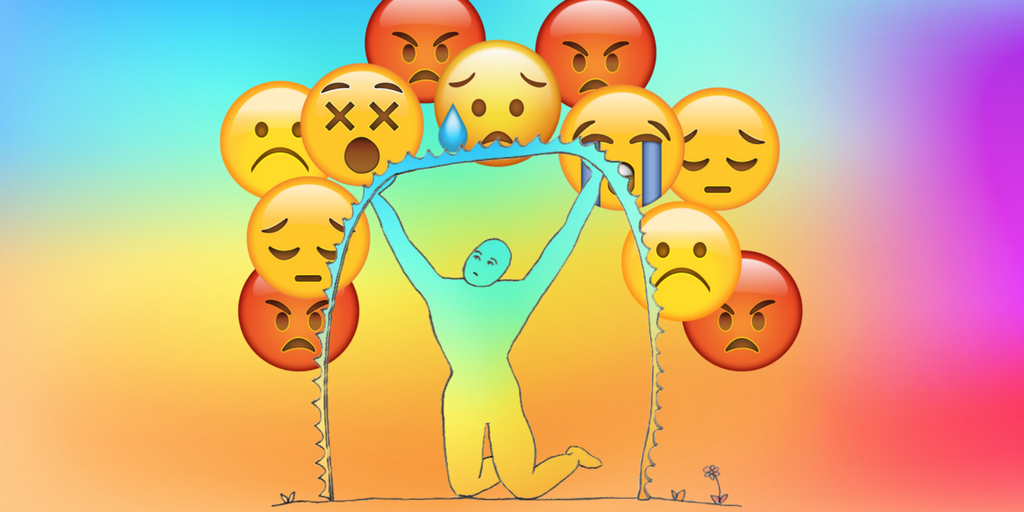
- psychopathology
- noun
- Psychopathology, also called abnormal psychology, the study of mental disorders and unusual or maladaptive behaviors.
- Example: A psychologist have a patient that is diagnosed with anxiety and bipolar disorder.
- en: Psychopathologie
- schizophrenia
- noun
- Schizophrenia is a serious mental disorder in which people interpret reality abnormally. Schizophrenia may result in some combination of hallucinations, delusions, and extremely disordered thinking and behavior that impairs daily functioning, and can be disabling.
- Example: For example, you think that you're being harmed or harassed; certain gestures or comments are directed at you; you have exceptional ability or fame; another person is in love with you; or a major catastrophe is about to occur.
- en: Schizophrénie
:max_bytes(150000):strip_icc()/what-are-the-symptoms-of-schizophrenia-2953120-e15ca22957ec44ff8969cf9b8ac24568.jpg)
- social psychology
- noun
- The branch of psychology that deals with social interactions, including their origins and their effects on the individual.
- Example: The decisions you make and the behaviors you exhibit might depend on not only how many people are present but exactly who you are around. For example, you are likely to behave much differently when you are around a group of close friends than you would around a group of colleagues or supervisors from work.
- en: Psychologie sociale


Commentaires
Enregistrer un commentaire